
Work Performance Data

Unprocessed observations and measurements captured while project tasks are being performed.

Key Points

  • Represents raw facts collected during execution (no analysis or interpretation).
  • Typically includes actual start/finish dates, percent complete, costs spent, quantities, and defect counts.
  • Gathered through logs, timesheets, sensors, test results, and other collection tools as work occurs.
  • Serves as input to produce work performance information and, later, work performance reports.

Example

During construction, the site engineer records that concrete pour #12 used 18 m^3, started at 08:10, finished at 11:35, and two defects were noted. These unprocessed entries are work performance data.

PMP Example Question

While executing the project, the team logs actual start and finish times, the number of defects found in testing, and the hours worked per activity. What are these records called?

  1. Work Performance Data
  2. Work Performance Information
  3. Work Performance Reports
  4. Lessons Learned Register

Correct Answer: A — Work Performance Data

Explanation: These are raw, unprocessed observations and measurements collected during task execution. Analysis and contextualization would turn them into work performance information, and formal presentation would produce reports.
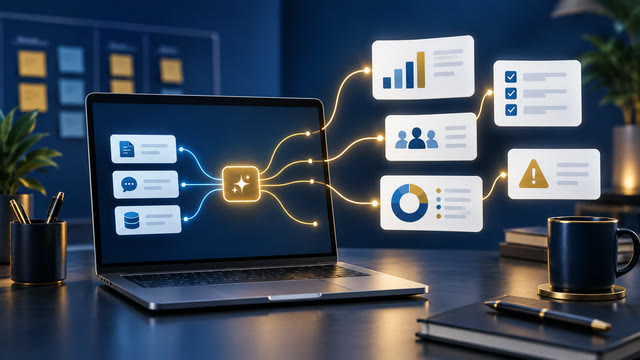
AI Systems with Claude, for Scrum Masters and Project Managers

Most AI pilots in project management do not fail on the model. They fail because somebody pointed the thing at a decision instead of at a task. This course is built around that distinction, and around the work that follows once you get it right.

Eight teaching sections, taught against one running project from the first lecture to the last. You watch a system get built, then you build the same one against your own sprint. Nothing here is a demo that works only on the example.

You finish with five working systems and you keep them. The sprint report machine turns your board export and standup notes into the report you currently write by hand. The retro intelligence system tells you what the team keeps saying, not just what it said this time. The stakeholder comms engine drafts the update in the register the audience expects. The backlog health monitor flags the quiet decay nobody has time to check for. The risk and dependency tracker follows the chains that actually bite.

Seventy-six working files ship with it, across four sections, so every system is built against real sprint data rather than material invented for a slide. Four sprints of retrospectives, board exports, standup notes, backlog and risk data.

Explore the Course


Become an AI-First Agile Leader!

HK School of Management and Technology helps you apply AI to Agile work with practical, prompt-based workflows for real-world Scrum challenges. Practical skills, tools, and guidance you can apply right away. Covered by Udemy's 30-day refund policy.

Learn More