
Quality Function Deployment (QFD)

A structured approach that converts the voice of the customer into clear, measurable engineering and design specifications.

Key Points

  • Captures and prioritizes customer needs (voice of the customer) before design work begins.
  • Uses the House of Quality to map customer needs to technical characteristics and target metrics.
  • Supports trade-off analysis and prioritization so engineering effort aligns with what customers value most.
  • Creates traceability from needs to design, verification, and test criteria through cross-functional collaboration.

Example

An agile team building a wearable fitness tracker gathers customer needs such as "battery lasts a week," "accurate heart rate," and "swim-proof." They use QFD to translate these needs into technical specs: minimum 7-day battery life, heart-rate error under 5%, and water resistance to 50 meters. These specs inform backlog items and acceptance criteria, guiding design choices and trade-offs (e.g., display brightness vs. battery capacity).

PMP Example Question

An agile team wants a technique that links prioritized customer outcomes to specific system parameters and target metrics, enabling trade-off decisions during design. Which method should they use?

  1. Kano analysis
  2. Quality Function Deployment (QFD)
  3. MoSCoW prioritization
  4. Value stream mapping

Correct Answer: B — Quality Function Deployment

Explanation: QFD translates customer needs into technical characteristics and targets (often via the House of Quality), supporting objective trade-offs. The other options prioritize or analyze value/flow but do not map needs to engineering specs.
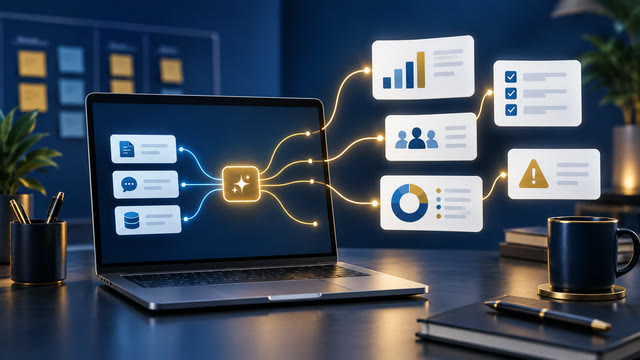
AI Systems with Claude, for Scrum Masters and Project Managers

Most AI pilots in project management do not fail on the model. They fail because somebody pointed the thing at a decision instead of at a task. This course is built around that distinction, and around the work that follows once you get it right.

Eight teaching sections, taught against one running project from the first lecture to the last. You watch a system get built, then you build the same one against your own sprint. Nothing here is a demo that works only on the example.

You finish with five working systems and you keep them. The sprint report machine turns your board export and standup notes into the report you currently write by hand. The retro intelligence system tells you what the team keeps saying, not just what it said this time. The stakeholder comms engine drafts the update in the register the audience expects. The backlog health monitor flags the quiet decay nobody has time to check for. The risk and dependency tracker follows the chains that actually bite.

Seventy-six working files ship with it, across four sections, so every system is built against real sprint data rather than material invented for a slide. Four sprints of retrospectives, board exports, standup notes, backlog and risk data.

Explore the Course


Launch your Agile career!

HK School of Management and Technology helps you learn Agile and Scrum with practical playbooks, AI-powered prompts, and real-world workflows for planning and delivery. Practical skills, tools, and guidance you can apply right away. Covered by Udemy's 30-day refund policy.

Learn More