
Fixed Price with Economic Price Adjustment Contract (FPEPA)

A fixed-price agreement that includes a clause allowing pre-established, formula-based adjustments to the final price when specified economic conditions change, such as inflation or documented increases or decreases in the cost of certain commodities.

Key Points

  • Begins with a fixed base price but permits limited adjustments for defined economic factors only.
  • The adjustment method, indices, thresholds, and timing are agreed upfront and stated in the contract.
  • Helps manage inflation or commodity price volatility without converting to a cost-reimbursable contract.
  • Best for longer-term buys with exposure to volatile inputs (e.g., fuel, metals, asphalt).

Example

A city awards a pipeline installation contract at a fixed price, with an EPA clause tied to a published steel index. If the index moves more than 3% at the annual review, the contract price is adjusted up or down by the agreed formula for the steel portion only; scope and quality remain unchanged.

PMP Example Question

A seller proposes a 3-year road project at a fixed price with a clause referencing a public asphalt index. If the index shifts beyond 5%, the price for the asphalt component will be adjusted annually per a preset formula. What contract type is this?

  1. Firm-Fixed-Price (FFP)
  2. Fixed Price with Economic Price Adjustment (FPEPA)
  3. Cost Plus Incentive Fee (CPIF)
  4. Time and Materials (T&M)

Correct Answer: B — Fixed Price with Economic Price Adjustment

Explanation: The contract is fixed-price but includes a predefined, index-based mechanism to adjust for economic changes, which is the hallmark of FPEPA.
AI Systems with Claude, for Scrum Masters and Project Managers

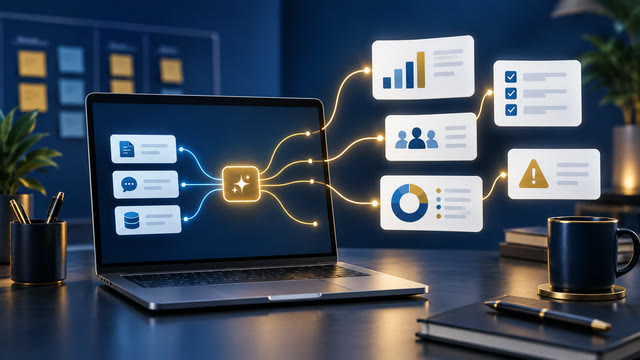
Most AI pilots in project management do not fail on the model. They fail because somebody pointed the thing at a decision instead of at a task. This course is built around that distinction, and around the work that follows once you get it right.

Eight teaching sections, taught against one running project from the first lecture to the last. You watch a system get built, then you build the same one against your own sprint. Nothing here is a demo that works only on the example.

You finish with five working systems and you keep them. The sprint report machine turns your board export and standup notes into the report you currently write by hand. The retro intelligence system tells you what the team keeps saying, not just what it said this time. The stakeholder comms engine drafts the update in the register the audience expects. The backlog health monitor flags the quiet decay nobody has time to check for. The risk and dependency tracker follows the chains that actually bite.

Seventy-six working files ship with it, across four sections, so every system is built against real sprint data rather than material invented for a slide. Four sprints of retrospectives, board exports, standup notes, backlog and risk data.

Explore the Course


Stop Managing Admin. Start Leading the Future!

HK School of Management and Technology helps you learn AI prompt engineering for project work. Move beyond status reports and risk logs with practical prompt frameworks for everyday tasks. Practical skills, tools, and guidance you can apply right away. Covered by Udemy's 30-day refund policy.

Enroll Now